Today, social status, physical fitness, and sexual performance are no longer just desirable traits — they’ve become unofficial benchmarks of a man’s quality of life. Many people who care about their health take vitamins, minerals, dietary supplements, and other medications. In this pressure-heavy environment, a Viagra pill, or something similar, can quietly turn into a daily stimulant, almost like a strong cup of coffee before surviving Manhattan rush hour.
The medication works, no question. But it is far from harmless, despite what assume. Before rushing to buy a Viagra generic or the original Viagra in search of fast results, it is essential to understand what Viagra actually is, how it works, what it contains, what side effects it carries, and — most importantly — who truly needs it.
1. What Is Viagra, Medically Speaking?
From a scientific standpoint, Viagra (sildenafil citrate) is a selective inhibitor of phosphodiesterase type 5 (PDE-5), an enzyme responsible for degrading cyclic guanosine monophosphate (cGMP) (Goldstein et al., 2019). In plain English: sildenafil does not create an erection. Instead, it removes physiological barriers that prevent a naturally initiated erection from being achieved and maintained.
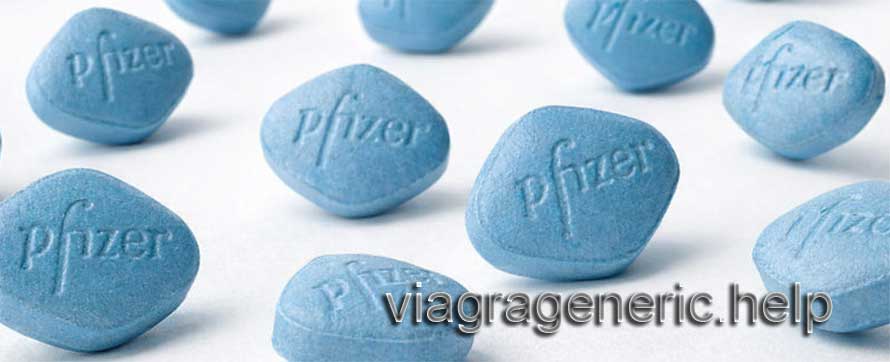
What Is Inside a Viagra Tablet? The active ingredient is sildenafil. In the original formulation, excipients such as microcrystalline cellulose and calcium hydrogen phosphate ensure a precisely controlled release rate of the molecule (Ghofrani et al., 2006). High-quality generics reproduce this pharmacokinetic profile to achieve bioequivalence, whereas poorly manufactured generics often fail to do so consistently.
How Viagra Works! During sexual stimulation, nitric oxide (NO) is released in penile tissue. NO activates guanylate cyclase, increasing intracellular cGMP levels. This causes relaxation of vascular smooth muscle, allowing arterial inflow into the corpora cavernosa and producing an erection. Under normal conditions, PDE-5 degrades cGMP, returning the penis to a flaccid state. Sildenafil inhibits PDE-5, allowing cGMP to persist and blood flow to be sustained (Montorsi et al., 2021).
Critical fact! In the absence of sexual desire or neural stimulation, Viagra is ineffective. It is not an aphrodisiac. It is a hemodynamic facilitator (Goldstein et al., 2019).
2. Who Actually Needs Viagra?
Urologists and endocrinologists typically divide patients into three main clinical groups, each with different medical indications for Viagra or its generics.
Group One: Vascular Erectile Dysfunction
Erection is fundamentally a hydraulic event. When blood vessels are compromised — by atherosclerosis, diabetes, smoking, medications, or chronic metabolic disease — they cannot dilate sufficiently or rapidly.
This group includes:
- men with medically confirmed erectile dysfunction
- patients with stable cardiovascular disease following cardiology clearance
- men whose ED is linked to medication-induced or toxin-related vascular injury
For these patients, Viagra functions as a pharmacological prosthesis, restoring impaired vascular physiology (Montorsi et al., 2021). A key warning sign is the loss of spontaneous morning erections, often an early marker of systemic endothelial dysfunction (Katznelson et al., 1996).
Group Two: Psychogenic ED and Performance Anxiety
Younger men frequently experience erectile failure driven by anxiety rather than organic disease. Fear of failure triggers adrenergic activation, causing acute vasoconstriction and suppression of nitric oxide signaling.
In this context, a reliable Viagra generic can act as a temporary confidence stabilizer, helping interrupt the anxiety–failure cycle (Goldstein et al., 2019). However, sildenafil does not replace psychotherapy, relationship counseling, or lifestyle modification — it serves as part of a comprehensive treatment strategy.
Group Three: Aging Men and the Andropause Transition
After age 40–50, vascular elasticity declines and testosterone levels gradually decrease. Under physician supervision, Viagra or a high-quality generic may be prescribed to compensate for age-related endothelial changes, allowing couples to maintain intimacy (Katznelson et al., 1996; Montorsi et al., 2021).
Maintaining sexual intimacy itself has been shown to support psychological well-being and overall health in aging men.
3. Side Effects and Critical Warnings
Clinicians emphasize that uncontrolled sildenafil use represents a serious cardiovascular risk.
Sildenafil is rapidly absorbed, reaching peak plasma concentrations within approximately 60 minutes (Ghofrani et al., 2006). Its effects are systemic rather than localized.
Major Risks:
- Blood pressure: Systemic vasodilation may cause hypotension, particularly dangerous in patients with underlying cardiac disease
- Vision: Partial inhibition of retinal PDE-6 can result in transient bluish vision or visual haze (Lovallo, 2006)
- Priapism: An erection lasting longer than four hours constitutes a medical emergency with risk of ischemic tissue damage
Absolute Contraindication! Concomitant use of Viagra with nitrate-containing medications (commonly prescribed for angina) can cause catastrophic hypotension and sudden death (Ghofrani et al., 2006).
4. Integrating Viagra into Real Life
Viagra and its generics should not become a permanent crutch while systemic health deteriorates. Erectile dysfunction is often a sentinel symptom of broader pathology.
A physician-guided framework includes:
- Medical assessment: Evaluation of testosterone, glucose, and lipid profiles, as ED frequently precedes overt cardiovascular disease (Katznelson et al., 1996)
- Lifestyle synchronization: Sleep deprivation and high-fat meals reduce sildenafil bioavailability; fatty meals can lower absorption by up to 30% (Ghofrani et al., 2006)
- Relationship context: Open communication reduces performance anxiety, which alone may improve erectile function (Goldstein et al., 2019)
- Product quality: Only verified generics or the original medication should be used; counterfeit products often contain incorrect dosages or toxic contaminants (Smith et al., 2025)
Final Perspective
The male body operates as an integrated system in which vascular health, hormonal balance, and psychological state are inseparable. Viagra and its well-manufactured generics represent one of modern medicine’s most impactful therapeutic advances, restoring sexual function and quality of life for millions of men.
However, sildenafil is a prescription medication, not a dietary supplement. When used appropriately, it is safe and effective. When misused, it carries significant risk. Medical supervision is not bureaucracy — it is protection.
The information on https://viagrageneric.help is provided for informational purposes only and does not constitute medical advice, diagnosis, or treatment. Always consult a licensed healthcare professional before purchasing online Viagra or directly from a healthcare professional, its generic Viagra, or similar medications.
List of scientific literature:
1. Ghofrani, H. A. et al. (2006). Sildenafil: from angina to erectile dysfunction to pulmonary hypertension and beyond. Nature Reviews Drug Discovery.
2. Goldstein, I. et al. (2019). The Serendipitous Discovery of Sildenafil: 20 Years of Clinical Success. Sexual Medicine Reviews.
3. Lovallo, J. (2006). PDE5 Inhibitors and the Retina: Understanding Visual Side Effects. Ophthalmology Reports.
4. Montorsi, F. et al. (2021). Pharmacogenetics of PDE5 Inhibitors: Personalized Treatment of Erectile Dysfunction. European Urology Focus.
5. Smith, B. P. et al. (2025). Quality Control of Generic Sildenafil: A Global Perspective. Lancet Health.