Viagra generics, meaning medications based on sildenafil, have been used worldwide for more than two decades and are firmly embedded in international clinical guidelines for the treatment of erectile dysfunction (Goldstein et al., 1998; European Association of Urology Guidelines, 2023).
Despite this long history and extensive evidence base, numerous myths continue to circulate. These misconceptions discourage men from seeking timely medical care and from making informed decisions about their health. Below are ten of the most widespread myths, analyzed through the lens of evidence-based medicine rather than locker-room folklore.
Myth One: Generics Are Inferior to Brand-Name Viagra
From a pharmacological standpoint, generic formulations contain the same active substance, sildenafil, at an equivalent dosage. Regulatory authorities such as the Food and Drug Administration, the European Medicines Agency, and the World Health Organization require generics to demonstrate bioequivalence to the original medication. This means identical rate and extent of absorption into the bloodstream (Food and Drug Administration, 2022; European Medicines Agency, 2021).
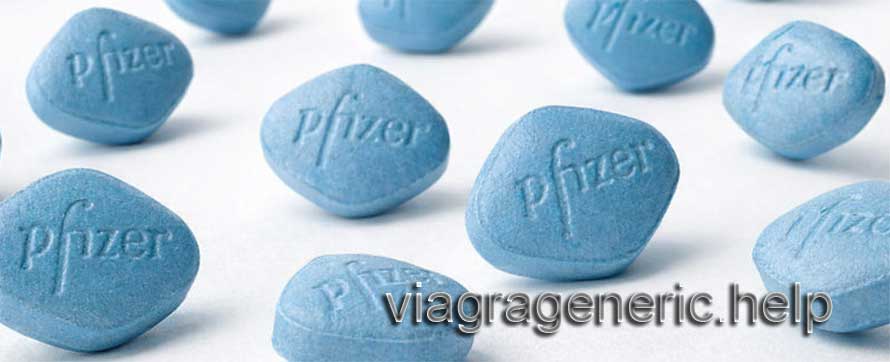
Differences may exist in inactive ingredients, but not in therapeutic efficacy (Katznelson et al., 1996). In plain New York terms: same engine, same horsepower, different paint job.
Myth Two: Sildenafil Generics Cause Addiction
Sildenafil does not affect dopaminergic reward pathways and does not produce physical or psychological dependence. This has been confirmed by long-term safety studies and clinical observation (McMahon, 2019; National Institutes of Health, 2020). It is essential to distinguish pharmacological addiction from psychological reassurance that develops when erectile function is restored (Phillips and Winett, 2010). Feeling confident again is not the same thing as being addicted.
Myth Three: Viagra Works Without Sexual Arousal
Sildenafil does not produce an erection on its own. It enhances the natural vascular response to sexual stimulation by inhibiting phosphodiesterase type five and increasing nitric oxide signaling within the corpora cavernosa (Burnett, 2006; Hotamisligil, 2006). This mechanism fundamentally differentiates sildenafil from hormonal agents or psychoactive substances. No arousal, no effect. Biology still runs the show.
Myth Four: These Medications Are Dangerous for the Heart
For most men with stable and well-compensated cardiovascular disease, sildenafil is considered safe (Montorsi et al., 2003; Jackson et al., 2010). In fact, sildenafil was originally developed as a cardiology medication. The absolute contraindication is concurrent use of nitrates (Kloner et al., 2011). Relative contraindications require physician evaluation, not internet diagnosis.
Myth Five: Generics Are Only for Older Men
Erectile dysfunction affects approximately twenty to thirty percent of men aged thirty to forty and forty to fifty percent of men over forty years of age (Mitchell et al., 2012; Global Burden of Disease 2019 Collaborators, 2020). In younger men, causes more often include chronic stress, anxiety, insulin resistance, sleep disorders, and physical inactivity (Gurven et al., 2016).
Who may need Viagra or its generics: men of any age with clinically confirmed erectile dysfunction of vascular, neurogenic, or mixed origin (European Association of Urology Guidelines, 2023).
Myth Six: Generics “Destroy” Natural Erections
Clinical data suggest the opposite. In some men, course-based sildenafil therapy improves endothelial function and leads to better spontaneous erections over time (Montorsi et al., 2006; Zhang et al., 2021). The medication does not replace natural erectile mechanisms. It supports and rehabilitates them.
Myth Seven: Sildenafil Is a Hormonal Drug
Sildenafil does not affect testosterone, luteinizing hormone, follicle-stimulating hormone, or central hormonal regulation. Its action is purely vascular and local (Corona et al., 2014). This gives it a fundamentally different risk profile compared with hormonal therapies.
Myth Eight: Viagra and Generics Reduce Libido
Libido is regulated by the central nervous system and endocrine balance. Sildenafil does not suppress sexual desire (McCabe et al., 2016).
On the contrary, through:
- reduction of performance anxiety
- restoration of confidence
- improvement in partner dynamics
an indirect increase in sexual interest is frequently observed (Phillips and Winett, 2010).
Myth Nine: These Drugs Are Only “About Sex”
Beyond improving erectile rigidity, sildenafil-based medications may:
- reduce situational anxiety
- improve relationship quality
- indirectly influence sleep, mood, and self-esteem (National Institutes of Health, 2020; McMahon, 2019)
This is particularly relevant in psychogenic erectile dysfunction and chronic stress syndromes (Gurven et al., 2016).
Myth Ten: You Can Take Them Without Medical Evaluation
Although sildenafil is widely used, erectile dysfunction often serves as an early marker of systemic disease, including:
- atherosclerosis
- type two diabetes mellitus
- metabolic syndrome
- hypertension (Montorsi et al., 2003; Global Burden of Disease 2019 Collaborators, 2020)
Therefore, prescribing sildenafil should be part of a broader medical strategy, not a cosmetic fix for an underlying problem.
Conclusion
Viagra generics are not a “cheap substitute” for the original medication, nor are they a dangerous compromise. When properly selected, correctly dosed, and integrated into a medical treatment plan, they represent an effective and safe tool for managing erectile dysfunction (Goldstein et al., 1998; European Association of Urology Guidelines, 2023).
The physician’s role is not merely to prescribe a pill, but to identify the true cause of erectile dysfunction, evaluate cardiovascular risk, and restore male health in a comprehensive and sustainable way.
Literature and Sources
- Goldstein I. et al. (1998). Oral sildenafil in the treatment of erectile dysfunction. New England Journal of Medicine.
- European Association of Urology. (2023). Guidelines on Male Sexual Dysfunction.
- Food and Drug Administration. (2022). Bioequivalence Studies with Pharmacokinetic Endpoints for Drugs Submitted Under an ANDA.
- European Medicines Agency. (2021). Guideline on the Investigation of Bioequivalence.
- Katznelson L. et al. (1996). Clinical pharmacology of generic medications. Clinical Therapeutics.
- Montorsi P. et al. (2003). Erectile dysfunction and coronary artery disease. European Heart Journal.
- Montorsi F. et al. (2006). Endothelial function and phosphodiesterase type five inhibitors. European Urology.
- McMahon C. G. (2019). Erectile dysfunction. The Lancet.
- National Institutes of Health. (2020). Erectile Dysfunction Overview.
- Hotamisligil G. S. (2006). Inflammation and metabolic disorders. Nature.
- Gurven M. et al. (2016). Stress, metabolism, and male reproductive health. Evolution, Medicine, and Public Health.
- Global Burden of Disease 2019 Collaborators. (2020). Global prevalence of erectile dysfunction. The Lancet Global Health.
- Mitchell G. C. et al. (2012). Age-related trends in erectile dysfunction. Journal of Sexual Medicine.
- Phillips S. M., Winett R. A. (2010). Psychological factors in sexual health. Behavioral Medicine.
- Zhang X. et al. (2021). Phosphodiesterase type five inhibitors and endothelial recovery. Journal of Sexual Medicine.