Testosterone is the primary androgenic hormone in men. It regulates skeletal muscle mass, sexual desire, mood stability, bone mineral density, energy metabolism, and vascular function. A decline in testosterone concentration is a clinically significant condition. It affects approximately twenty to forty percent of men older than forty to fifty years and becomes more prevalent with advancing age, obesity, insulin resistance, and chronic medical disease. (Traish et al., 2011; Hackett and Saad, 2014)
Below are ten clinically established problems associated with testosterone deficiency. These conclusions are based on meta-analyses, longitudinal clinical observations, and professional society guidelines.
1. Reduced Libido and Diminished Sexual Desire
Low testosterone levels are strongly associated with decreased sexual desire, a finding consistently confirmed in endocrinology and sexual medicine research. Men with total testosterone levels below three hundred nanograms per deciliter report reduced libido significantly more often than age-matched men with normal hormonal status. (Corona et al., 2014)
How Viagra or its generics may help: When erectile dysfunction is present alongside low sexual desire, phosphodiesterase type five inhibitors such as sildenafil can improve the ability to achieve and maintain an erection when desire is still present. These medications do not restore libido directly. Their benefit arises from improved vascular response combined with preserved sexual motivation.
2. Erectile Dysfunction
Testosterone deficiency disrupts nitric oxide synthase expression, impairs vascular responsiveness in cavernous tissue, and worsens erectile dysfunction symptoms. Randomized clinical trials show that men with low testosterone experience erectile dysfunction one and a half to two times more frequently than men with normal hormonal profiles. (Rosen et al., 2016)
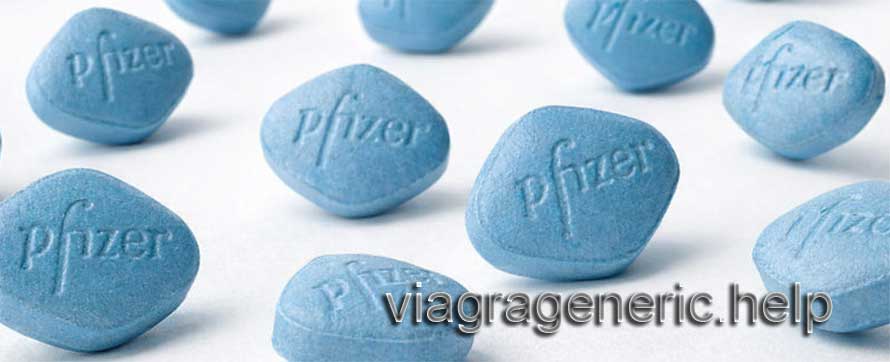
How Viagra or its generics may help: Sildenafil enhances nitric oxide–dependent vasodilation during sexual stimulation. This effect can improve erectile quality even when testosterone levels are below optimal ranges, particularly when testosterone replacement therapy has not yet taken effect or cannot be used for medical reasons.
3. Loss of Muscle Mass and Strength (Sarcopenia)
Testosterone is a powerful anabolic hormone. Its deficiency is associated with reduced protein synthesis, progressive muscle wasting, and loss of strength. Clinical studies demonstrate that men with low testosterone lose muscle mass two to three times faster than men aging within normal hormonal limits. (Bhasin et al., 2018)
Over time, this leads to reduced physical performance and a higher risk of injury. In practical terms, patients feel weaker, slower, and far less resilient.
4. Increased Fat Mass and Metabolic Dysfunction
Low testosterone levels are closely linked to central obesity and lipid imbalance. Men with hypogonadism more frequently exhibit elevated triglycerides, reduced high-density lipoprotein cholesterol, and insulin resistance. (Grossmann et al., 2015)
These metabolic changes significantly increase the risk of type two diabetes mellitus and cardiovascular disease. From a clinical perspective, the hormone deficit and metabolic syndrome often reinforce each other in an unhealthy loop.
5. Fatigue, Low Energy, and Reduced Vitality
Men with testosterone deficiency commonly report persistent fatigue, reduced motivation, and low energy levels. Cohort studies show that targeted testosterone correction improves subjective vitality and reduces fatigue symptoms compared with placebo. (Araujo et al., 2010)
Patients often describe this improvement simply as “feeling like themselves again,” is usually a meaningful outcome.
6. Sleep Disturbances and Poor Rest Quality
Hypogonadism is associated with sleep disorders, including a higher prevalence of sleep apnea and fragmented nighttime sleep. Research indicates that men with low testosterone demonstrate poorer sleep quality scores, which further aggravates metabolic and psychological dysfunction. (Hoyos et al., 2012)
Appropriate hormonal correction may improve sleep architecture, although careful monitoring is required, particularly in patients with existing sleep apnea.
7. Depression, Anxiety, and Cognitive Decline
Testosterone influences neurotransmitter regulation and emotional processing. Meta-analyses reveal that low testosterone levels are associated with higher rates of depressive symptoms, reduced concentration, and impaired mood stability. (Seidman et al., 2001)
Best outcomes are observed when hormonal correction is combined with psychotherapy and lifestyle modification. Hormones alone do not fix the mind, but they can remove a major biological obstacle.
8. Reduced Bone Mineral Density
Testosterone plays a key role in bone remodeling. Men with hypogonadism exhibit higher rates of osteopenia and osteoporosis, increasing fracture risk. Androgen therapy has been shown to increase bone mineral density in affected patients. (Katznelson et al., 1996)
Clinically, this matters because fractures in men are not benign events and often carry higher morbidity than commonly assumed.
9. Cardiovascular Risk Factors
Although the relationship between testosterone and cardiovascular events remains an area of ongoing scientific debate, meta-analyses demonstrate that low testosterone levels are associated with increased markers of atherosclerosis, systemic inflammation, and overall mortality. (Yeap et al., 2014)
Men with testosterone deficiency frequently present with overlapping metabolic and vascular abnormalities, making comprehensive risk assessment essential.
10. Reduced Sexual Satisfaction and Intimate Quality of Life
The emotional and physiological consequences of low testosterone diminish overall sexual satisfaction and increase interpersonal tension. Multidisciplinary research shows that testosterone correction improves sexual function. However, relationship dynamics require a broader, integrated evaluation. (Khera et al., 2016)
How Viagra or its generics may help: When testosterone levels are low and erectile rigidity becomes a limiting factor, sildenafil can temporarily improve the vascular component of erection. This improvement supports not only physical performance but also emotional confidence and relational intimacy.
Who Needs Viagra or Its Generics
Based on clinical guidelines and evidence-based medicine, sildenafil-based medications, including Viagra and its generics, are indicated for men with:
- medically confirmed erectile dysfunction;
- vascular or mixed forms of erectile dysfunction following cardiology evaluation;
- combined psychogenic and organic components of erectile dysfunction;
- inadequate response to testosterone replacement therapy in the presence of significant erectile dysfunction.
Important clinical note: sildenafil does not normalize testosterone levels. Its role is to compensate for the vascular component of erectile dysfunction, improving sexual function as part of a comprehensive hormonal and metabolic treatment strategy.
Scientific References
- Araujo AB, et al. “Clinical review: Endocrinology of sexual function and dysfunction in men.” The Journal of Clinical Endocrinology & Metabolism, 2010.
- Bhasin S, et al. “Testosterone therapy in men with hypogonadism: An Endocrine Society clinical practice guideline.” The Journal of Clinical Endocrinology & Metabolism, 2018.
- Corona G, et al. “Sexual dysfunction at older ages: A systematic review and meta-analysis.” Journal of Sexual Medicine, 2014.
- Grossmann M, et al. “Role of testosterone in male sexual function.” Asian Journal of Andrology, 2015.
- Hackett G, Saad F. “Hypogonadism and erectile dysfunction: A guide to patient management.” Springer, 2014.
- Hoyos CM, et al. “Male hypogonadism and obstructive sleep apnea.” Journal of Clinical Sleep Medicine, 2012.
- Katznelson L, et al. “Increase in bone density and lean body mass during testosterone administration in men with acquired hypogonadism.” The Journal of Clinical Endocrinology & Metabolism, 1996.
- Khera M, et al. “Association of androgen deficiency with sexual function, mood, and quality of life.” The Journal of Sexual Medicine, 2016.
- Rosen RC, et al. “Medical causes of erectile dysfunction.” Journal of Sexual Medicine, 2016.
- Seidman SN, et al. “Testosterone and depression in aging men.” The Journal of Clinical Psychiatry, 2001.
- Traish AM, et al. “Mechanisms of disease: Testosterone and cardiovascular health.” Nature Reviews Cardiology, 2011.
- Yeap BB, et al. “Lower testosterone levels predict incident cardiovascular events in older men.” Journal of Clinical Endocrinology & Metabolism, 2014.